Andy Kassier: Stereotypes on Instagram
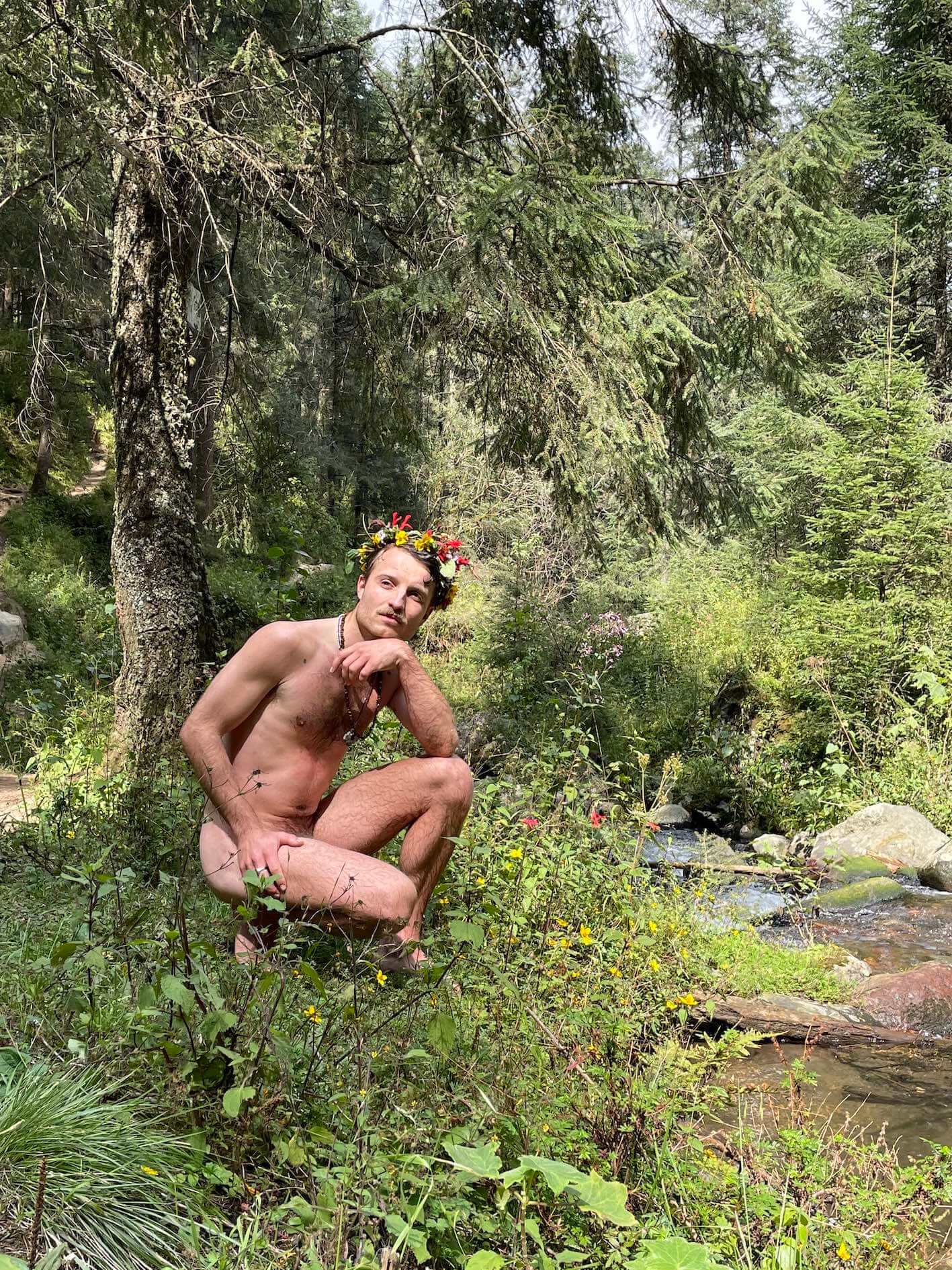
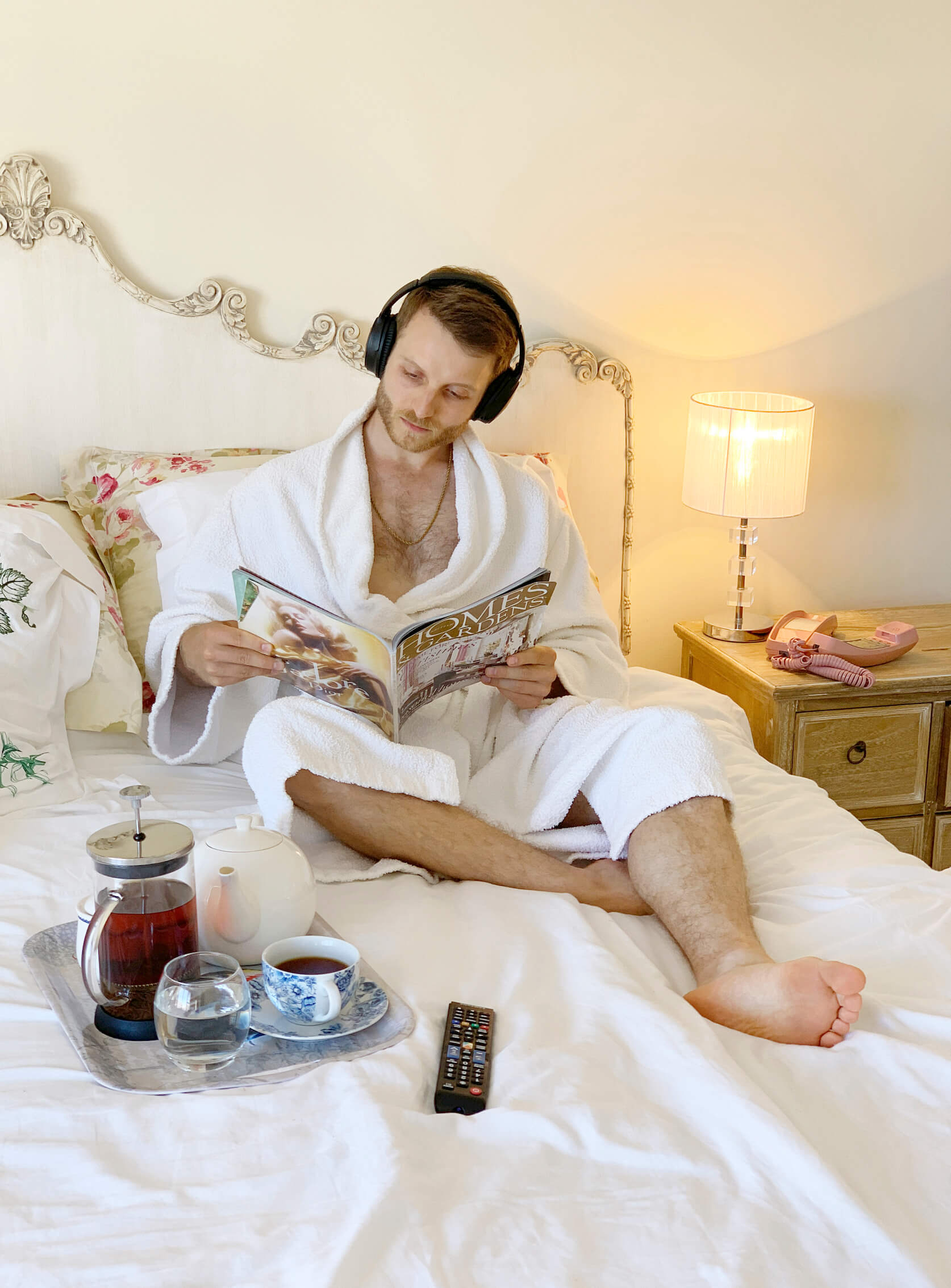
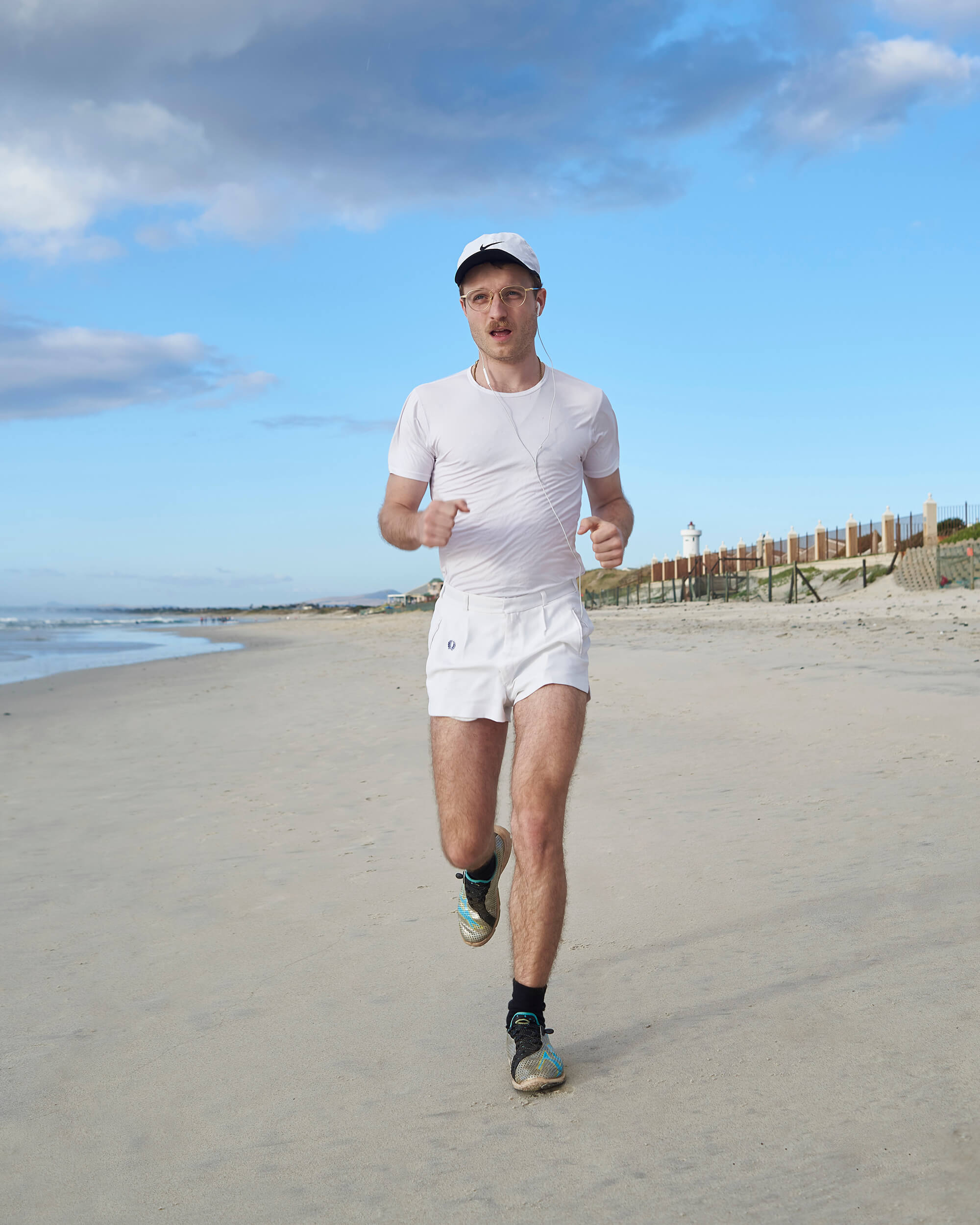
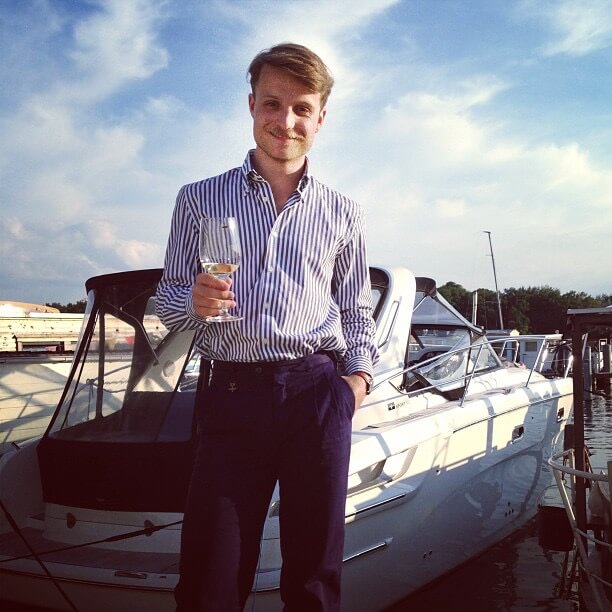
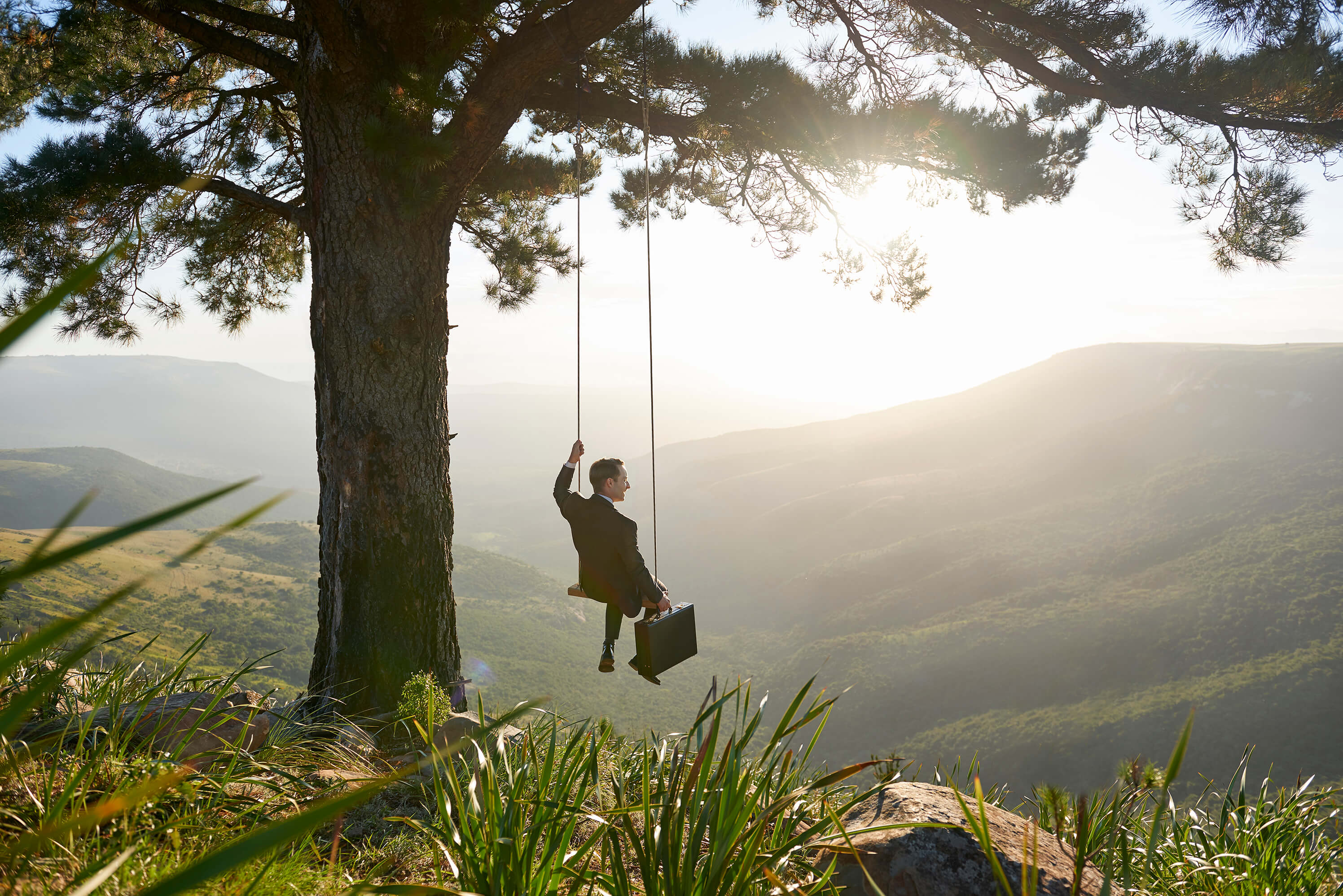
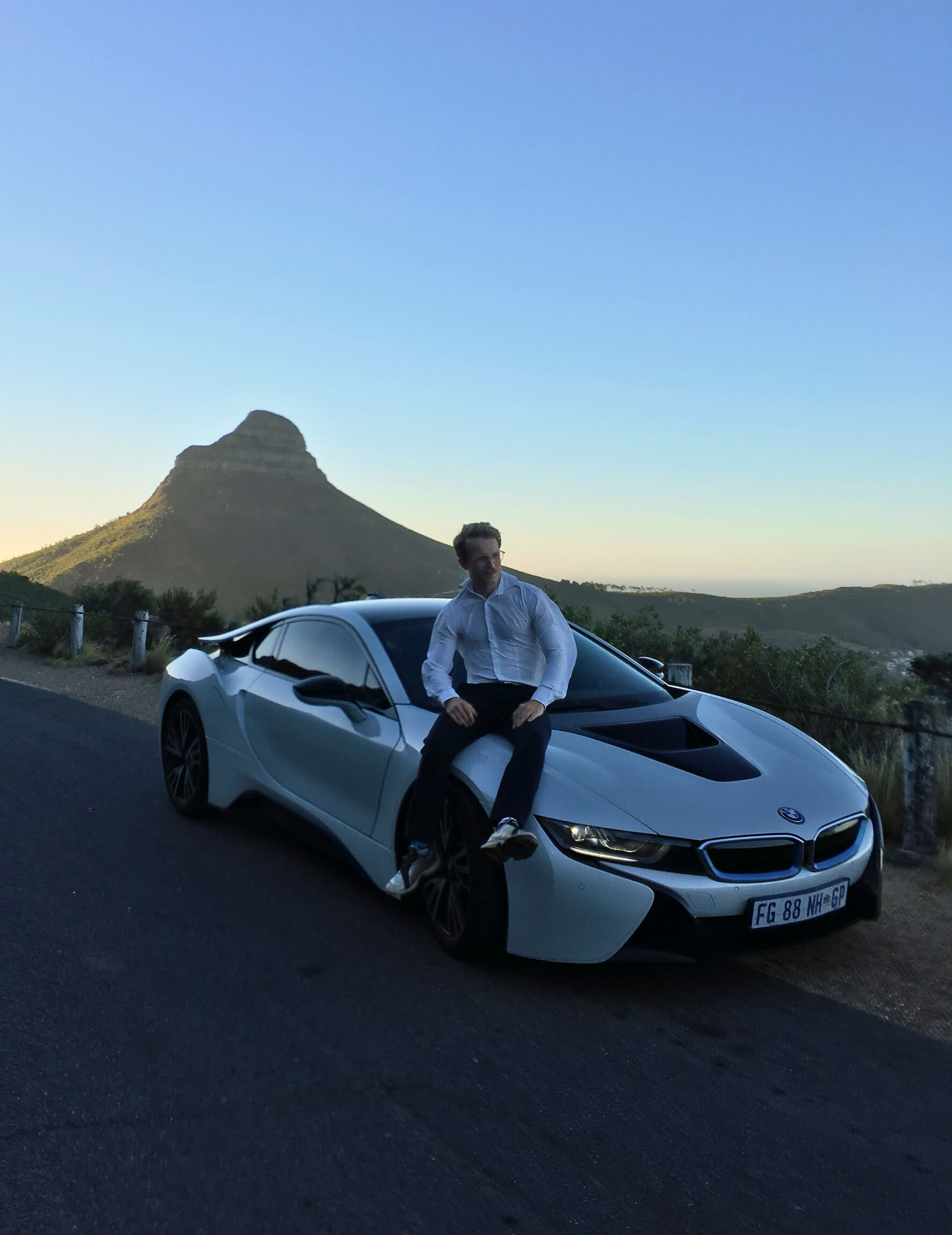
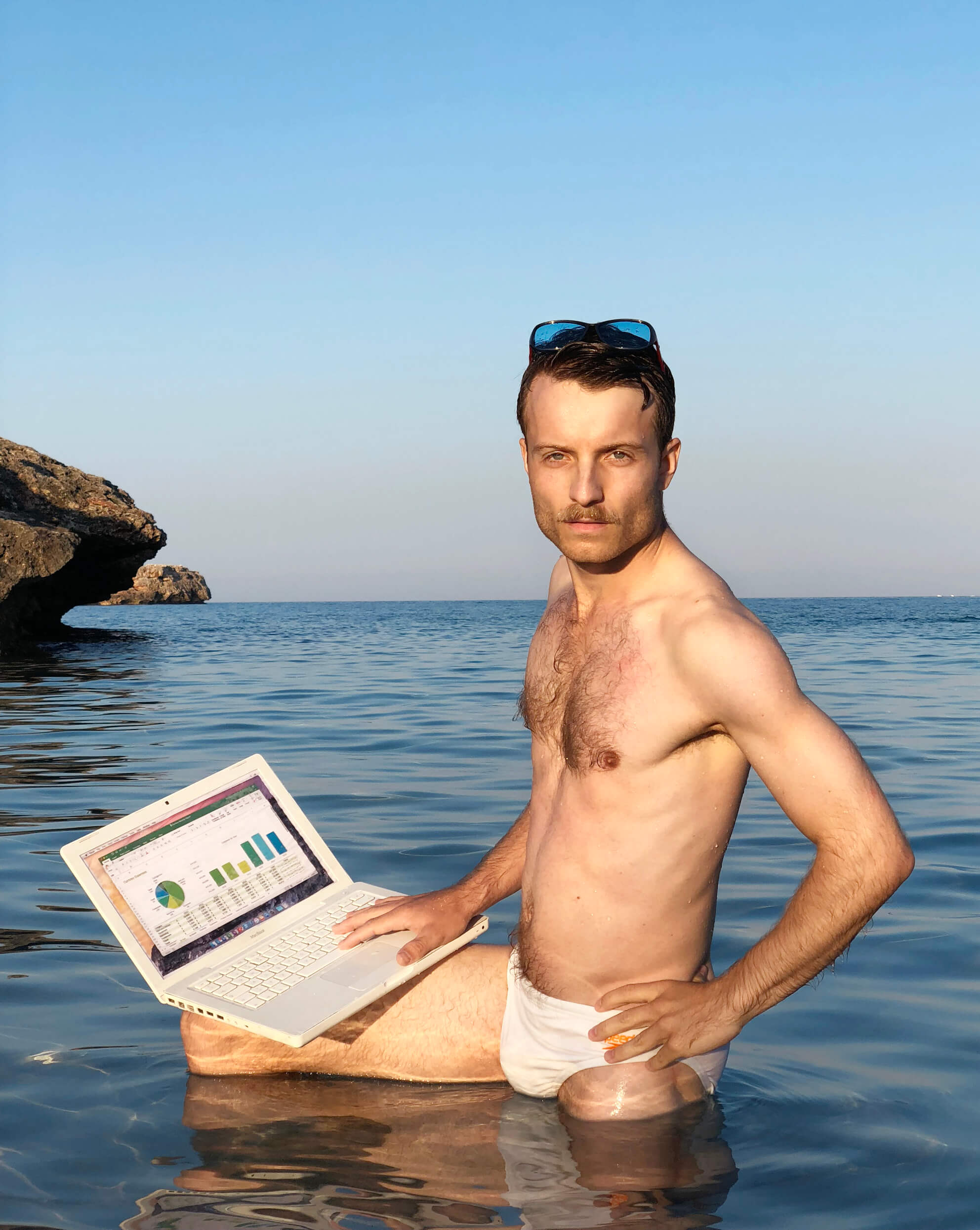
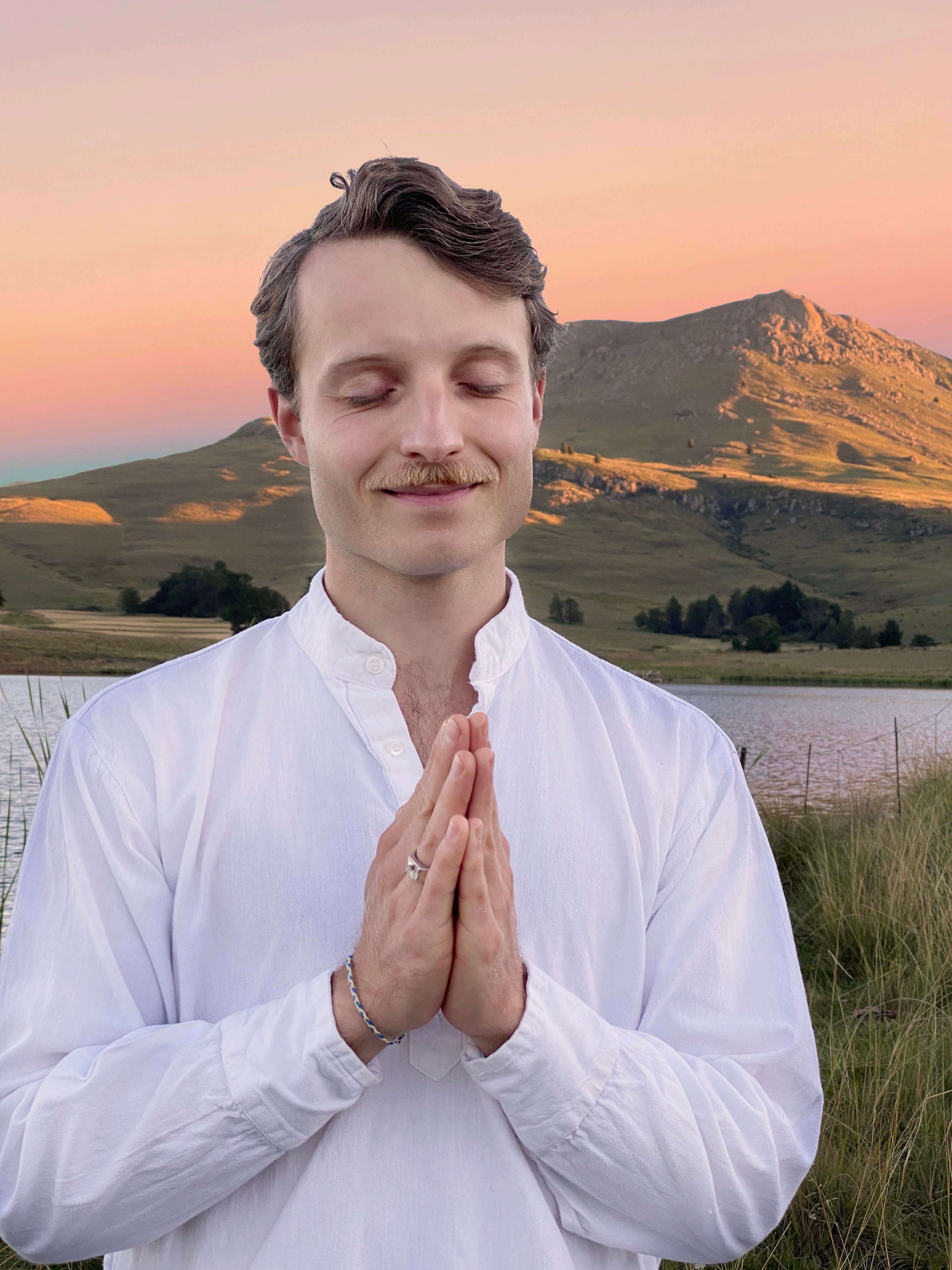
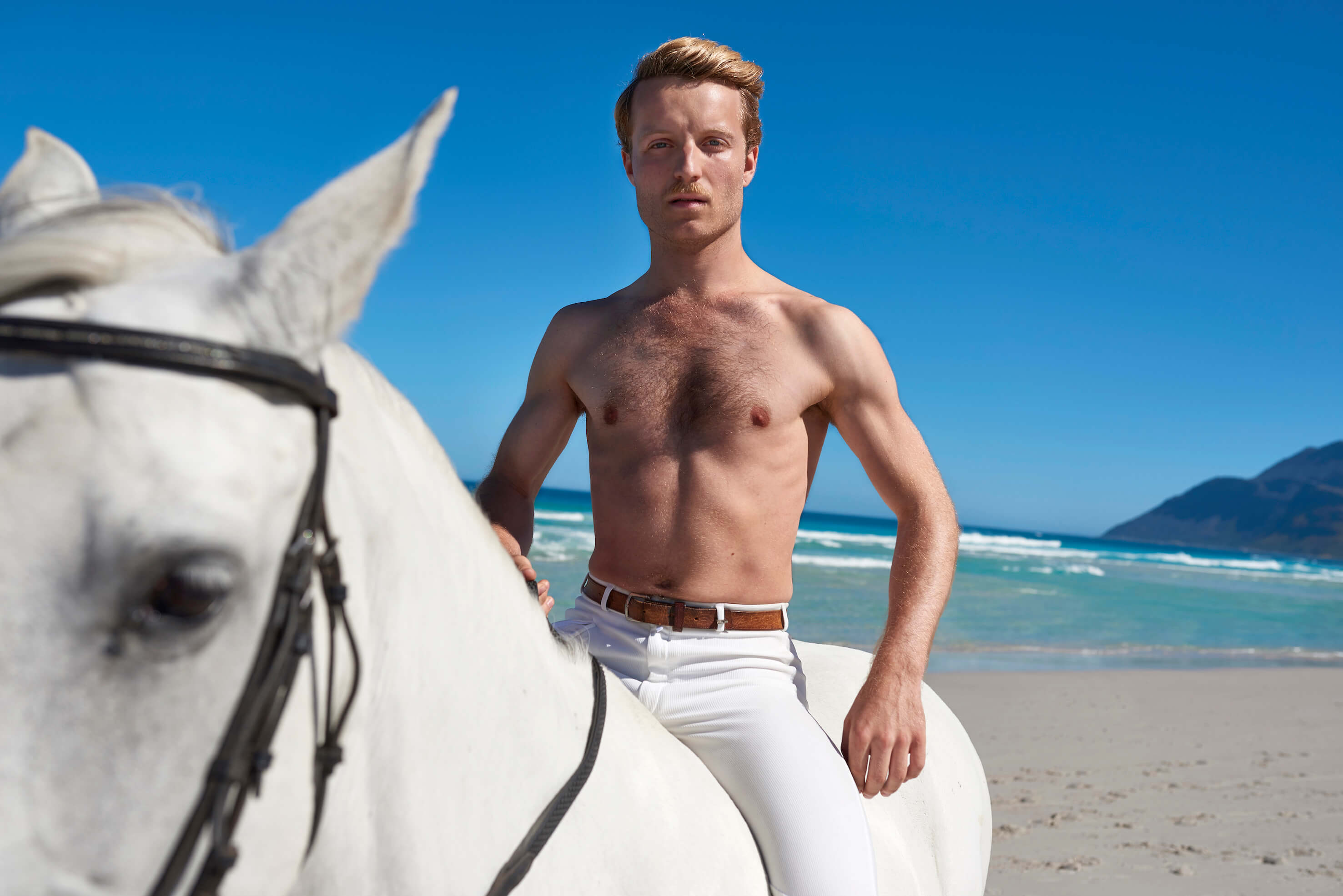
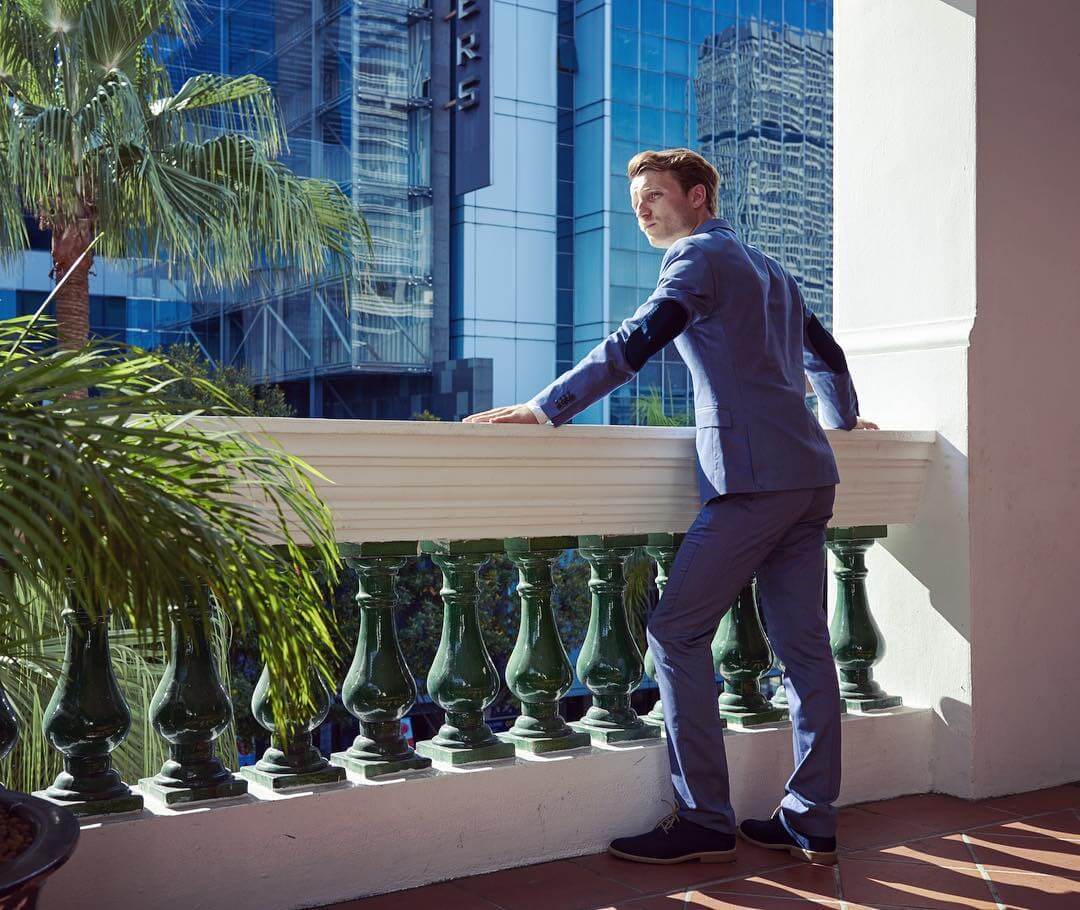
Andy Kassier engages in an extensive ongoing Instagram performance. In his posts and stories, he assumes the roles of a successful businessman, a mindful individual interested in spirituality and meditation, or a prolific artist, always appearing self-confident and happy. Kassier started the project in 2012, when he identified hyper-realistic depictions of physical reality as one of the main characteristics of Instagram posts. He started to use this concept for his own performance on the social media platform. As he did not communicate the exact purpose of his self-representation to his audience, the project looked like an initial self-promotion and was taken as being for real. All the settings of his photographs – whether he poses next to an expensive car, on a horse back, or in South Africa’s outback – are all existing places. Kassier does not put himself into fake or digitally created settings. But if the artist poses next to an expensive car, it does not mean that he owns it. Usually, his props or settings are part of the public space, are rented or belong to his friends. Andy Kassier propagates an unusual concept of possession, property, and wealth. To him, richness is about accessibility. It is the access and the interaction with an object at a certain point of time that counts and that creates happiness.
Biography
The work of conceptual artist Andy Kassier (*1989, Berlin) includes installations, performances, photography, videos, sculptures and painting. In 2018, he graduated with distinction from the Academy of Media Arts in Cologne, where he studied with Mischa Kuball and Johannes Wohnseifer, among others. In 2013 he created his alter ego Andy Kassier, who ironically breaks the narrative of wealth and happiness in late capitalist society. On Instagram and in international solo and group exhibitions he continuously develops the long-term performance. Kassier observes phenomena in social media and the development of digital image cultures. Based on his findings, he searches in his artistic work for answers to current socially relevant questions: What is happiness? ("the science of happiness", Pop; 68, Cologne, 2016) How do I become successful? ("On the Internet, Nobody Knows You're a Performance Artist. Andy Kassier and Signe Pierce", NRW-Forum Düsseldorf, 2018) How is masculinity represented? ("How To Take A Selfie", Goethe-Zentrum Baku, Azerbaijan, 2019) How do I accept myself? ("Link in Bio. Art after social media", Museum of Fine Arts Leipzig, 2019/2020), What is the role of the artist in the digital age? ("palm down", HANZ.studio, Gallery Weekend Berlin, 2020).
Interview with Andy Kassier (near Hogsback, South Africa)
by Tina Sauerlaender (Berlin) May 6, 2020
Tina Sauerlaender: Hi Andy! How would you describe the way of representing yourself in your works?
Andy Kassier: It's a question of how I represent myself in general. One of my series is getting into the role of a rich and famous guy... It's a good question if I represent myself online, or if I just don't, because I just play a role.
TS: What was the starting point for the project on Instagram?
AK: The initial idea was to reflect on how other people represent themselves online, which is mainly focused on a big gap, that their online representation is completely different or exaggerated from their real-life personas. When it started in 2012 or 2013, people showed off their good lives, especially on Instagram, a life that was better than their actual life. It's also about filtering, like going for a weekend holiday and then posting pictures of this for three months. The persona I play is supposed to reflect people using social media and people on social media.
TS: Do some of them follow you and take you for real?
AK: This definitely happened. It happens less now because I gave too many interviews and people know what I do, but before, it was not like this. Being taken seriously is actually just like a pat on your shoulder. It's like an agreement that you have done right.
TS: Why are you always alone in your posts?
AK: I imagine this persona to always be alone, because this is the downside of all the success, that you're always alone and that you don't have anybody else, like a glimpse that something is wrong or that something can be wrong.
TS: You have been asked if you really have that much money. What do you feel when somebody asks you this question?
AK: For me, this question also gets into the direction of the performance part of my work. The imagery I create is produced like performances, I play the role in a performance, and I am also in all these real backgrounds. For example, I have an expensive car for the moment when I take a picture. Let's say, people have a different view of what richness means, and people think that having a good life means that you have to own everything. It is a different concept I follow. Richness for me means accessibility and being able to use or lend stuff or be part of things. It doesn't necessarily mean I have to own everything. And this is a general question about what makes you happy? Or is there a difference between the happiness of having a car for a week, or owning the car for longer?
TS: Has ownership a different notion in the digital realm because we communicate via images?
AK: It becomes a general question of photography, I would say, and how photography captures memories or moments, and how Instagram then builds a persona of these little moments you had, even if this is still not your actual real life or just 10% of it.
TS: What does Instagram mean to you as an artist?
AK: I think that everyone is like a personal brand, especially a freelancer or artist. Social media means liberation for an artist, you can reach many more people than you could if you just exhibit your works in a physical space. One of the beginnings of my work was the idea: "Is there a possibility to get payments without actually being famous for anything?" Just being famous for being famous, is an idea of how to get attention. And this embraces marketing for yourself even if you don't do anything.
TS: Do you have help from someone taking your pictures?
AK: Every picture is like its own production with different technical demands. It ranges from selfie sticks and iPhones to tripods, to big digital medium format cameras, depending on the shots. I also have people helping me out. But I do all the art direction and styling by myself. I take on the outfit, I choose it, and then I play the role of this guy. I play the role that I think fits best there. It can vary a little, but usually, it works in a performative way.
TS: How do your IRL performances differ from the Instagram persona?
AK: I don't think it differs so much. The general idea behind my installations and then performances is to bring the idea of this persona into a real-life room. And building spatial installations are supposed to give the visitors an idea of the physical room and give them the ability to enter this physical room with all this '80s and vintage design style. All my images have this kind of '80s vibe with them. These installations usually work for me like crime scenes, where you have a lot of ready-mades, tiny pieces that come together. And then, if you use the installation as a crime scene, you can build a narrative out of it. You will find books that provide ideas about what the persona, who's living in there, is reading. Then you have probably certificates of the Lion's Club from the '80s, and you have statues of winning a golf tournament. All the little details that I find on flea markets and eBay give you an idea of the persona. The objects actually define the identity of the persona.
TS: What is your relationship with your audience?
AK: I find it interesting that a lot of people really think that I am completely like the persona I play online, which I would say there might be tiny parts that overlap each other, but I am still a different persona. In general, for me, it is being like an actor in front of all the people. Even when I talk to them, it is pure performance. But I also find it interesting to give people the idea that they never really know if I am performing or not, I always keep it a mystery.
TS: The persona you stage changes over time. From a businessman to a mindful farmer?
AK: For me as an artist, it is about working with the things that I find interesting, and that was at a point getting out of the business role into a more spiritual role or developing the character in a way that he is more relaxed. It is also because I have the feeling that I worked for 10 years now, and I should get more relaxed. I try to combine all the things. And being on a farm, for me, is my artistic approach to getting into the life on a farm and researching it artistically and trying to figure out the male roles here.
TS: What else influences your work besides stereotypical representations on Instagram?
AK: We see so much advertising, and we are totally unaware that we have seen this advertising, which gives us a completely unconscious way of how we see identities and roles. These identities and roles are captured in us, even without knowing that we have seen them, like male roles in advertising, female roles in advertising, or how do successful people look in advertising. And then there are more specific references, for example with the image on the horse. There are references to Putin riding on a horse, or fairytales that produce images like this.
TS: For your project, is it important that it is you in the pictures?
AK: The idea why I use myself in the pictures is because it was easy for me, but it was never that I was like, "Oh, I am the only one who can do this." It is a matter of being practical about having a good life and... It could be fun renting a jet ski for shooting and then handing the receipt in for taxes.